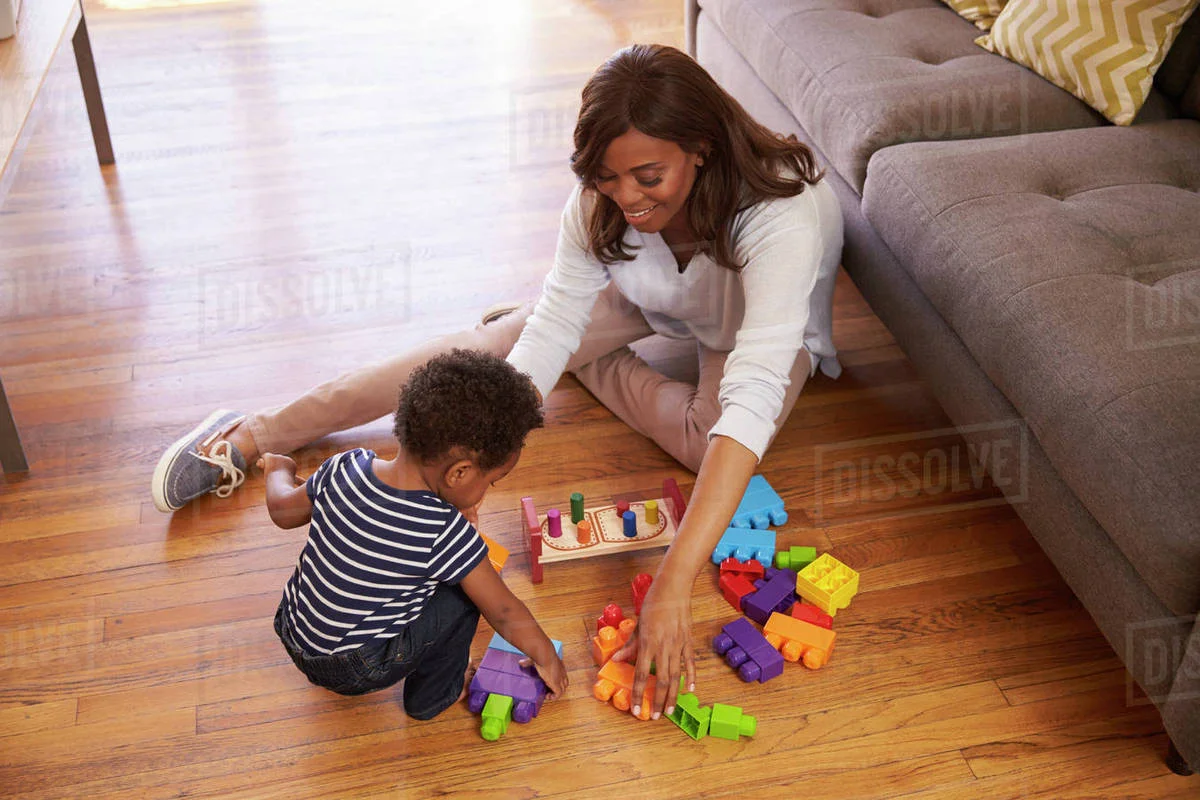
Play is not a break from learning. For young children, play is the way learning happens. In early childhood development, play shapes how a child thinks, feels, speaks, and connects with others. When children play—whether they are building towers, pretending to be doctors, or running outside—their brains are actively forming pathways that support intelligence, emotional balance, and confidence. These early years lay the foundation for life.
How play supports brain growth
Between birth and age five, the brain grows faster than at any other time. Play strengthens neural connections that control memory, attention, and problem-solving. Activities like puzzles, pretend play, and movement help children understand cause and effect and improve focus—key pillars of early childhood development.
This learning feels natural because the child is in control. When children choose what and how to play, their brains stay curious and engaged.
Play and emotional safety
Children often lack the words to explain big emotions. Play becomes their language. Acting out stories, role-playing, or repeating scenarios helps them process fear, joy, jealousy, or stress. This emotional practice supports healthy early childhood development, teaching children how to regulate feelings and build empathy.
Parents don’t need to “teach” during play. Simply being present creates trust and emotional security.
Social skills begin in play
Sharing toys, taking turns, and negotiating rules all happen naturally during play. These moments teach cooperation, patience, and respect. Children who engage in regular social play often show stronger communication skills later in school, which is a long-term outcome of balanced early childhood development.
Also Read : How Society Shapes Teen Behavior, Attitudes, and Character Development
Physical play and lifelong health
Running, climbing, jumping, and dancing build strength and coordination. Physical play also supports brain function by improving blood flow and concentration. Limiting movement in early years can affect both body and mind. Active play is not optional—it is essential for full early childhood development.
Screens vs real play
While some educational media can be helpful, screens cannot replace hands-on play. Passive screen time reduces imagination, movement, and real interaction. Overuse may affect attention span and language skills. For healthy early childhood development, screens should support—not replace—real-world play.
What healthy play really looks like
Healthy play is often noisy, repetitive, and unstructured. A child may repeat the same activity again and again. This repetition is how learning settles into the brain. There is no wasted playtime. Every moment contributes to early childhood development, even when it looks simple.
Final takeaway
If you care about early childhood development, protect play the same way you protect sleep and nutrition. Children who are allowed to play freely grow into adults who think clearly, manage emotions, and adapt confidently to life.
FAQ: Early Childhood Development & Play
A. Play builds brain connections, emotional control, language skills, and social understanding.
A. Toddlers need multiple periods of active and free play every day.
A. Imaginative play, physical movement, and problem-solving activities are most effective.
A. Yes. Free play allows creativity and independent thinking to grow.
A. Excessive screen time can reduce attention, speech, and social interaction.
A. Limit screens, allow mess, follow the child’s lead, and stay emotionally present.