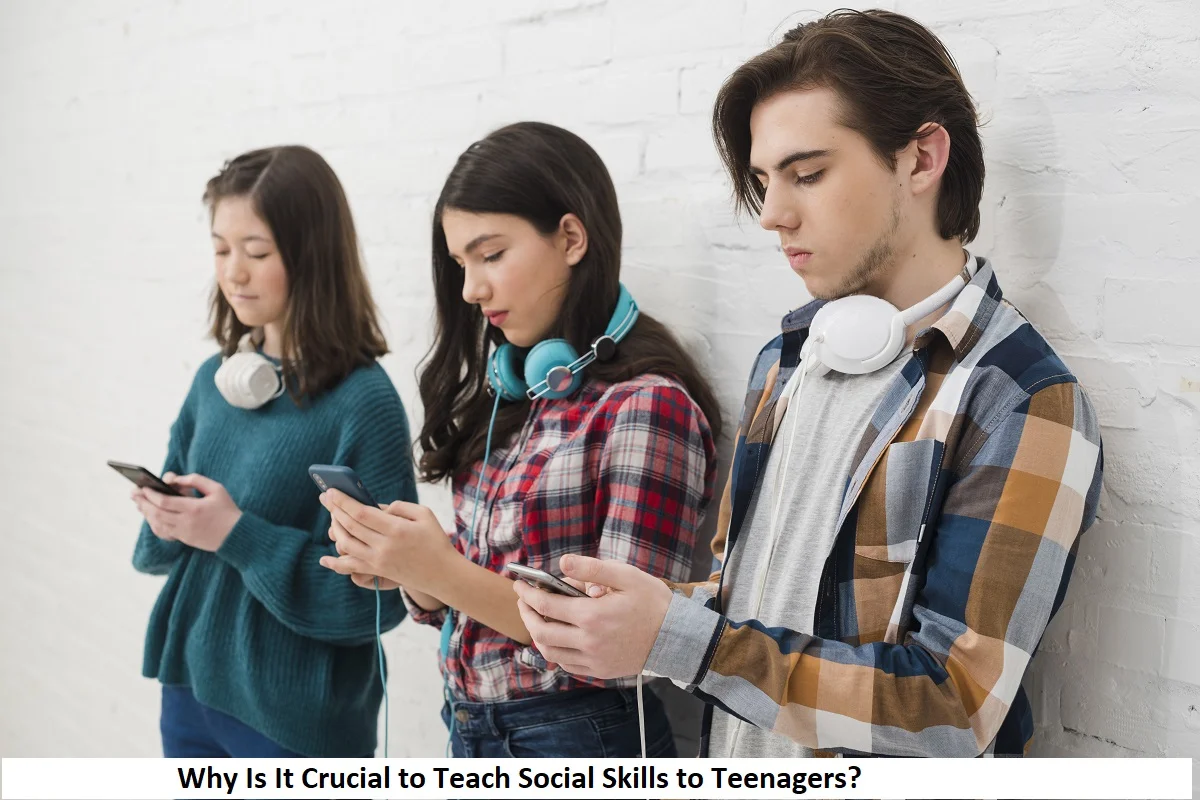
Teen years are full of social pressure. Friend groups shift, confidence goes up and down, and one awkward moment can feel huge—like when your teen wants to join a group at lunch but freezes, or they replay one “weird” comment in their head all night. That’s why social skills for teens (and social skills for teenagers) are not “extra.” They are life skills: how to talk, listen, set boundaries, handle conflict, and stay steady in tough situations.
This guide explains the importance of social skills for teens, what many teens struggle with, and how parents can help in ways that don’t feel like lectures.
For a bigger picture of building confidence and emotional safety at home, see Raising Happy Kids: The Ultimate Guide to Childcare Basics
What “Social Skills” Actually Mean For Teens
Social skills are the small everyday behaviors that help a teen connect with others. They include:
- Starting and ending conversations
- Reading tone, facial expressions, and body language
- Sharing opinions without attacking
- Listening and responding with respect
- Handling embarrassment and rejection
- Managing anger and disagreement
- Knowing when to say “no” (boundaries)
These skills shape friendships, classroom behavior, teamwork, and later, job interviews and relationships. If your teen is also struggling to fit in or follow the crowd, read Peer Pressure in Kids and Teens: Warning Signs and How Parents Can Help for calm, practical steps.
Why Social Skills Matter For Teens (more than people think)
Strong teen social development supports:
- Better friendships (less drama, more stability)
- Higher confidence (they feel safer being themselves)
- Less peer pressure (they can say no without panicking)
- Better mental health (less isolation, less constant worry)
- Better performance in school (group work, asking questions, speaking up)
A teen with strong teen communication skills doesn’t need to be loud or “popular.” They just know how to handle people without losing themselves.
The Social Skills Teens Need Most
1) Conversation Skills (without forcing it)
Teens don’t need fancy lines. They need simple starts and follow-ups especially in moments like a new class, a new team, or when they’re sitting beside someone and don’t know what to say.
Good starters
- “How did that test go for you?”
- “What are you watching these days?”
- “How was your weekend?”
Good follow-ups
- “What part was hardest?”
- “Why do you like it?”
- “That sounds stressful what happened?”
This builds confidence slowly and helps teens avoid one-word replies.
2) Listening Skills (the rare skill)
Many teens listen to reply, not to understand. Help them practice:
- Eye contact (not staring just present)
- Nodding or small “yeah/okay”
- Repeating key points: “So you felt ignored?”
This one skill improves friendships fast especially during misunderstandings like “you didn’t reply to my message” or “you left me out.”
3) Emotional Control And “Pause Power”
A big part of how to improve social skills in teens is helping them pause before reacting like when they feel disrespected in a group chat or they get teased in front of friends. The goal is not “be nice all the time.” The goal is self-control.
Teach a simple rule:
Pause → breathe → choose words.
4) Conflict Resolution Skills For Teens
Conflict will happen. Teens need steps for situations like rumors, jealousy, or “you changed after you made new friends.”
A simple 3-step method
- Name the issue: “I felt hurt when…”
- Say what you need: “Next time, can you…”
- Offer a repair: “I want us to be okay.”
This is real conflict resolution skills for teens clear, respectful, and direct.
5) Boundaries And Self-Respect
This is where peer pressure and social skills connect. Teens with boundaries don’t need to fight they can exit politely, like when friends push them to lie, sneak out, or bully someone “as a joke.”
Useful boundary phrases
- “I’m not into that.”
- “No thanks. I’m good.”
- “I can’t. Don’t ask again.”
- “I’m leaving if this continues.”
That is confidence in action.
6) Empathy And Respect (without being a “people-pleaser”)
Empathy means understanding feelings. Respect means treating others fairly even when you disagree.
Teach the difference:
- Empathy: “I get why you feel that way.”
- Agreement: “You’re right.”
They can empathize without giving up their opinion.
Common Social Struggles Teens Face (and what they usually mean)
“My teen is quiet.”
Quiet is not a problem. Many teens are introverted. Look for whether they can:
- Speak when needed
- Keep one or two friendships
- Handle basic situations (teachers, peers)
If yes, they’re okay.
“My teen has friends online but not in real life.”
Online friendships can be real. The key is balance and safety. Help them build small offline moments too: one club, one activity, one safe hangout.
“My teen gets defensive and rude.”
Often it’s fear: fear of being judged, corrected, or controlled. Social coaching works better than criticism.
How Parents Can Help (without awkward lectures)
1) Build a safe base at home
Teens learn social behavior first from home. If home feels like constant judgment, they hide.
Try:
- Speak with respect even when correcting
- Criticize behavior, not character (“That was rude” vs “You’re rude”)
- Apologize when you mess up (this teaches repair)
This supports building confidence in teens more than long talks.
2) Coach in small moments (not big speeches)
Instead of “You need better social skills,” say:
- “Want help thinking of what to say?”
- “Let’s practice a reply together.”
- “Do you want advice or just to vent?”
This is how to teach social skills to teenagers in a natural way.
3) Teach “scripts” for common situations
Scripts give teens words when they freeze like when they want to join a table, respond to teasing, or speak up in a group project.
When joining a group
- “Mind if I sit here?”
- “What are you guys talking about?”
When disagreeing
- “I see it differently.”
- “That’s not my experience.”
When feeling left out
- “I felt ignored today. Are we okay?”
These are practical friendship skills for teens.
4) Practice at home (yes, practice)
Practice doesn’t mean role-play like a drama class. Keep it quick.
Try 2 minutes:
- You say: “Pretend you’re asking a teacher for help.”
- They respond once.
- You adjust gently: “Try it again but slower.”
Short practice is powerful.
5) Debrief after social moments (without interrogation)
After a gathering, don’t ask 20 questions. Ask one:
- “What felt easy?”
- “What felt hard?”
- “Anything you’d do differently next time?”
Then listen. This teaches reflection without shame.
6) Give them real-life chances to interact
Social skills grow through experience. Consider:
- Sports or martial arts (confidence + teamwork)
- Debate/drama (speaking skills)
- Volunteering (empathy + communication)
- Part-time work (real-world social practice)
These act like social skills activities for teens, but they feel meaningful not childish.
Helping a Teen Who Struggles a Lot Socially
If your teen:
- avoids school often due to fear
- has no connections at all and feels hopeless
- panics before social events
- gets into repeated fights or bullying situations
- shows signs of depression or severe anxiety
Then support may be needed beyond parenting tips. A school counselor or therapist can help with social anxiety, confidence, and coping skills.
Social Skills And Phones: The Modern Reality
Phones didn’t “ruin” teens. But they changed practice time.
Helpful family rules (simple, not extreme):
- One screen-free meal daily
- No phone during important conversations
- Encourage voice notes or calls sometimes (not only texts)
- Teach online manners: no screenshots, no gossip sharing
This supports real world teen communication skills.
Quick “Parent Toolkit” You Can Use Today
Do more of this
- Validate feelings first: “That sounds rough.”
- Ask: “Do you want help or just to talk?”
- Praise effort: “I noticed you said hi. That took courage.”
Do less of this
- “Just be confident.”
- “Why are you like this?”
- “You’re overreacting.”
Small shifts = big results.
FAQ: Social Skills For Teens
Start small: one activity they like, one familiar person, and a simple goal “say hi once.” Shy teens don’t need pressure they need practice in low stress settings.
If fear is intense (panic, school avoidance, constant stomach aches), it may be anxiety. Support them gently and consider a school counselor or therapist.
Use short coaching in the moment: “Want help with a reply?” and offer scripts. Avoid correcting them in front of others.
Grades matter, but social skills affect confidence, friendships, teamwork, and future work life. They support long-term success.
Practice simple scripts, do quick role “replays” after a situation, and teach calm conflict repair phrases. Keep practice short (2–3 minutes).
Teach exit lines like “I’m good,” “Not doing that,” and “I’m leaving.” Boundaries are a key part of social skills.
Final Thought
The goal is not to turn your teen into a social star. The goal is to help them become steady: able to connect, speak up, handle conflict, and protect their boundaries. That is the real importance of social skills for teens and it’s something parents can support with calm coaching, small practice, and a safe home base.
For more practical parenting guides and teen support articles, explore Best Childcare Tips.