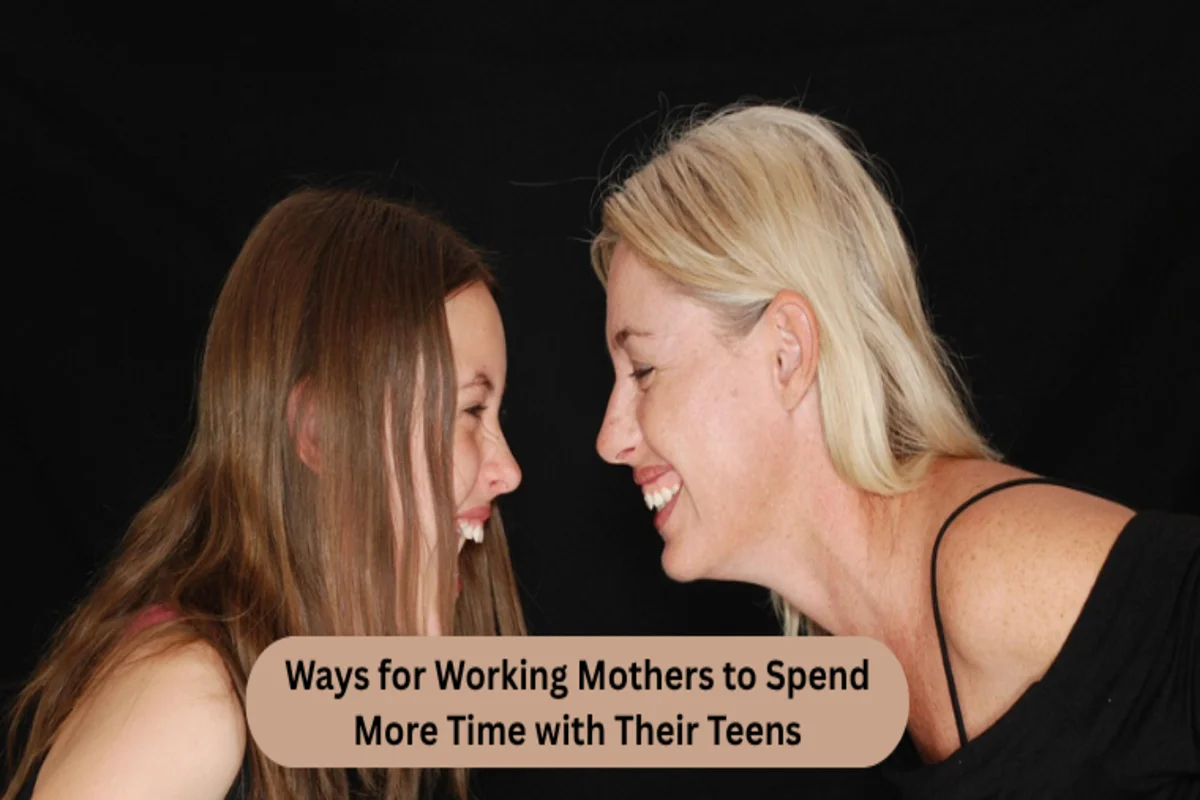
Working mothers are often praised for “doing it all,” but few talk about the quiet exhaustion that comes with carrying everything in your head. Between work deadlines, family needs, and emotional responsibilities, many moms feel stretched thin even when they’re doing their best. Communication is the most effective communication strategy for working mothers navigating work and family life.
What often makes the difference isn’t more time or more effort. It’s communication. Clear, compassionate communication helps working mothers reduce stress, set boundaries, and feel supported at home and at work. This is why communication is not optional for working mothers. It is the foundation that supports every other strategy.
The Invisible Weight Working Mothers Carry
Working mothers move through multiple roles every day. Professional expectations demand focus and results. Children need emotional presence and consistency. Homes require organization. Relationships need care. Often, these demands collide.
What makes this weight heavier is not always the workload itself—but unspoken expectations, assumptions, and misunderstandings. Many working mothers feel exhausted not because they do too much, but because they explain too little or feel unheard.
Strong communication helps reduce this invisible load. It turns silent pressure into shared responsibility.
Why Communication Changes Everything
At Home: Creating Understanding, Not Conflict
In families, communication shapes emotional safety. When needs, schedules, and feelings are spoken clearly, resentment has less room to grow. Children feel more secure when expectations are explained, not assumed. Partners feel more involved when roles are discussed openly.
Communication does not mean long discussions every day. It means honest words at the right time.
At Work: Protecting Energy and Time
In professional spaces, communication helps working mothers protect their limits. Clear conversations about deadlines, workload, and availability prevent burnout. They also build trust—because clarity is often mistaken for confidence.
When expectations are clear, guilt reduces. When boundaries are spoken, balance becomes possible.
With Self: The Most Overlooked Conversation
Many working mothers communicate well with others but ignore themselves. Internal communication—recognizing exhaustion, acknowledging limits, admitting the need for rest—is just as important.
Without this inner clarity, even the best external communication falls apart. Over time, a clear communication strategy for working mothers reduces stress and improves relationships.
The 3C Framework: A Practical Communication Foundation
Instead of adding more tasks, working mothers need a framework that simplifies how they communicate. The 3C Framework—Clarity, Consistency, and Compassion offers that foundation.
Clarity: Say What Needs to Be Said
Clarity removes confusion. It replaces vague requests with specific ones.
At work, this means clearly stating deadlines, priorities, and capacity.
At home, it means expressing needs without waiting for others to guess.
Clarity is not harsh. It is respectful to yourself and others.
Consistency: Build Predictability
Inconsistent communication creates stress. When expectations change without warning, everyone feels unsettled.
Consistency does not mean rigidity. It means reliability. Regular check-ins, predictable routines, and follow-through help families and workplaces function with less friction.
For children especially, consistent communication creates emotional safety.
Compassion: Speak With Care, Including Toward Yourself
Compassion keeps communication human. It acknowledges emotions without dismissing boundaries.
At work, it turns feedback into collaboration instead of conflict.
At home, it turns discipline into guidance instead of fear.
Most importantly, compassion reminds working mothers that struggling does not mean failing.
If you’re looking for everyday, actionable help, our guide on communication tips for working moms breaks this strategy into simple steps you can use immediately.
Communication as a Long-Term Strategy, Not a Quick Fix
Communication is not something you “fix” once. It evolves as children grow, careers change, and personal needs shift. What works one year may need adjusting the next.
The goal is not perfect communication. The goal is honest, intentional communication that adapts with life.
When working mothers commit to this, the effects ripple outward:
- Children learn emotional expression
- Homes feel calmer
- Workdays feel more manageable
- Self-respect grows
Real Life, Real Change
Many working mothers notice that once they begin communicating clearly without apology their environment changes. Not because life becomes easier, but because expectations become shared.
Stress does not disappear. But it becomes lighter when carried together.
For practical, day-to-day examples, you may also find our article on 10 practical communication tips for working moms helpful.
Final Thoughts
This communication strategy for working mothers supports balance, clarity, and long-term well-being. Through clarity, consistency, and compassion, working moms can protect their energy, strengthen relationships, and create balance that feels real not forced.
Your voice matters. When you use it intentionally, it becomes one of your greatest strengths. If you’re looking for simple routines that actually fit a busy schedule, read Quality Time With Teens: 9 Realistic Tips for Working Moms.
FAQs: Communication & Working Mothers
Communication helps working mothers manage expectations, reduce stress, and balance work and family without emotional burnout.
Clear communication prevents misunderstandings at home and work, helping working mothers feel supported instead of overwhelmed.
Working mothers often struggle with unspoken expectations, guilt, lack of boundaries, and feeling unheard in both family and work settings.
Many working mothers feel overwhelmed due to mental and emotional load, not poor time management—often caused by unclear communication.
Communication allows working mothers to express limits clearly, making it easier to protect personal time without conflict or guilt.