If you’ve noticed your younger child changing more attitude, secretive behavior, sudden anger, or copying “too grown-up” habits you’re not overthinking it. Sometimes it’s normal development, but sometimes it’s the impact of an older sibling’s risky behavior.
Juvenile delinquency simply means a teen repeatedly breaking rules in serious ways like theft, fighting, vandalism, substance use, carrying unsafe items, or constant trouble at school. When this is happening, it can strongly shape what a younger sibling thinks is “normal.”
This guide explains how older siblings affect younger siblings when delinquency is involved, what signs to watch for, and what parents can do to protect the younger child while still supporting the older one.
What To Do Today (quick checklist)
- Reduce unsupervised time between siblings during high-risk hours (after school/evening).
- Set 3 clear house rules (no threats, no bullying, no asking siblings to lie).
- Check in privately with the younger child using calm questions.
- Watch for pressure: hiding items, covering stories, “just help me once.”
- Get support early (school counselor, youth services, family therapy) if patterns continue.
Why Younger Siblings Are More At Risk
Younger kids learn through watching. An older sibling can become a powerful influence sometimes an unhealthy one because they feel closer than adults and seem more “real” than teachers.
When parental supervision is low, the risk grows. The younger child may:
- copy behavior to fit in,
- fear the older sibling and stay silent,
- or try to win approval by joining in.
This is often how older sibling negative influence quietly builds inside a home. To understand what often pushes teens toward repeated trouble, see Why Teens Break the Law: Root Causes of Juvenile Delinquency.
The Main Ways Delinquency Can Spill Over To Younger Siblings
1) Risky behavior starts to feel “normal”
If the older child lies, skips school, steals, or breaks rules and it keeps happening, the younger child may start thinking:
- “Rules don’t really matter.”
- “You only get in trouble if you get caught.”
- “This is what teens do.”
This is one of the biggest reasons how older siblings affect younger siblings can become harmful: the younger child’s values can shift.
2) Direct pressure or “recruiting”
Sometimes the older sibling pulls the younger one into trouble:
- “Hold this for me.”
- “Don’t tell Mom.”
- “Say we were together.”
- “Come with me don’t be scared.”
That pressure can be soft or aggressive. Either way, it increases the risk of the younger sibling copying bad behavior.
3) Sibling bullying and control
Not all sibling conflict is normal. Sibling bullying includes repeated intimidation, humiliation, threats, hitting, taking belongings, or forcing the younger child to do things.
A younger child living under that stress may become anxious, angry, or start acting tough at school sometimes becoming a bully too.
4) Stress in the house triggers acting out
When the home is always in crisis calls from school, fights, missing money kids absorb the tension. Younger siblings may respond by:
- arguing more,
- lying more,
- shutting down emotionally,
- or finding attention in the wrong places.
5) The younger child gets less attention
When parents must focus on the older child’s behavior problems, younger siblings can feel ignored. That can lead to attention-seeking, slipping grades, or attaching to risky friends.
Signs Your Younger Child May Be Getting Influenced
Look for patterns (not a single bad day):
Behavior
- more lying, sneaking, or secretive phone use
- sudden aggression, swearing, disrespect
- “tough” attitude that feels new
- frequent fights with siblings or classmates
School & friends
- grades dropping or skipping classes
- new friends you don’t know
- teacher complaints about behavior
- copying the older sibling’s style and habits
Emotions
- anxiety, fear, sleep problems
- anger outbursts
- unusually quiet or withdrawn
If you’re unsure what counts as a real red flag, use this Juvenile Delinquency Warning Signs: Parent Checklist for Teens (and What to Do Next) to guide your next steps.
What Parents Can Do (practical steps that work)
Step 1: Protect the younger child first
Safety is not “being harsh.” If there are threats, violence, illegal activity, or constant fear:
- Don’t leave the younger child alone with an aggressive older sibling.
- Create boundaries around bedrooms and personal space.
- Separate routines if needed (study time, outings, responsibilities).
Step 2: Use short rules, not long lectures
Pick 3–4 rules and repeat them calmly:
- “No threats. No hitting. No bullying.”
- “No asking your sibling to lie for you.”
- “No unsafe items in the house.”
- “Respect personal space.”
Consistency beats emotion.
Step 3: Increase supervision during the riskiest hours
Most trouble happens after school and early evening:
- keep the younger child busy (sports, clubs, skills),
- know where both kids are and who they’re with,
- reduce unsupervised “hanging out” if the older sibling is escalating.
Step 4: Support the younger child privately
Many younger siblings stay quiet because they don’t want to “get anyone in trouble.”
Try questions like:
- “Do you ever feel pressured to do things you don’t want to do?”
- “Has your sibling scared you or threatened you?”
- “What happens when I’m not around?”
Then reassure them:
- “You’re not in trouble for telling the truth. My job is to keep you safe.”
Step 5: Correct behavior without labeling your child
Avoid “You’re a criminal” or “You ruin everything.” Labels can push teens further away.
Try:
- “I love you. I’m not okay with this behavior.”
- “We will deal with this, and we will keep everyone safe.”
Step 6: Get outside support early (it helps both kids)
If the older child shows repeated delinquent behavior, support usually works better than punishment alone. Consider:
- school counselor / wellbeing team
- youth mentoring programs
- family therapy / parenting support
- community youth services (anger management, behavior support)
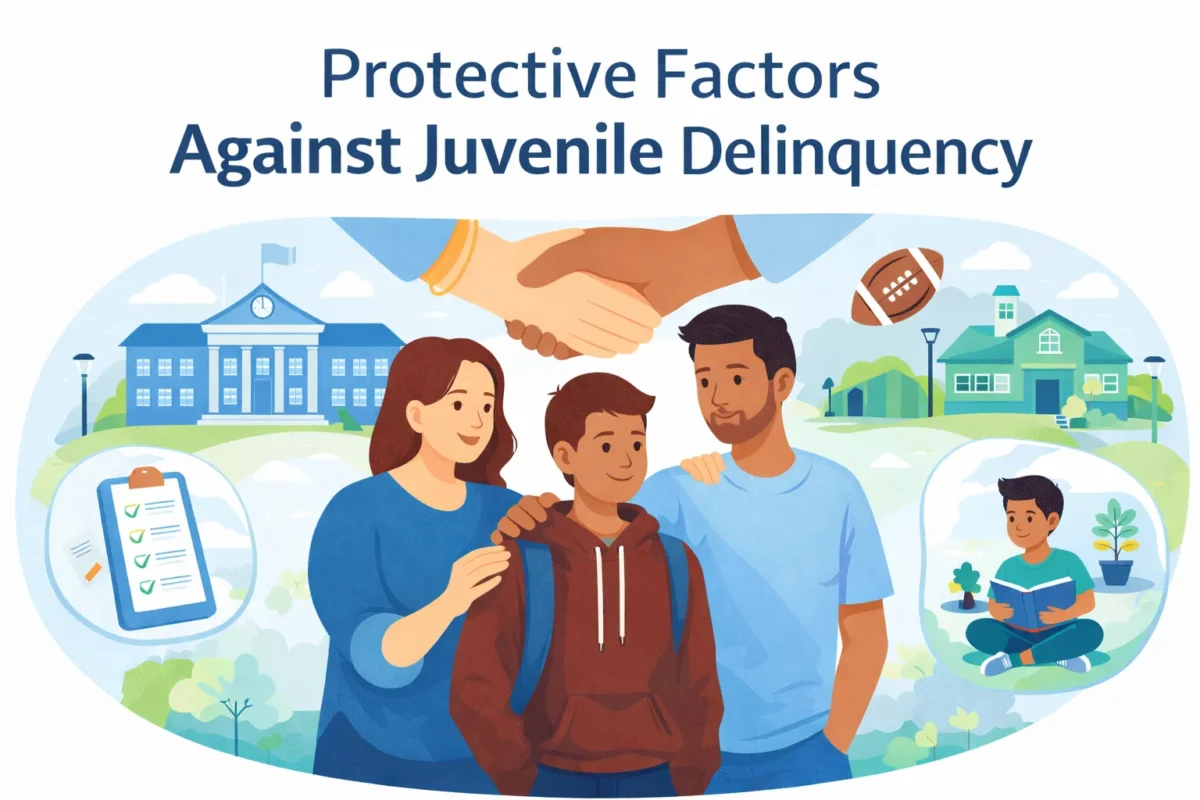
Early support can reduce long-term harm for the whole family. To reduce risk at home in a practical way, read 5 Protective Factors Against Juvenile Delinquency and start with the ones you can apply this week.
Parent Scripts You Can Use (copy/paste)
- To the older child: “You’re responsible for your choices. Your sibling is not your helper.”
- To the younger child: “If anyone pressures you, you can tell me. I will handle it.”
- To both: “In this house we solve problems without threats or violence.”
- When you’re unsure: “I’m listening. I need the truth so I can keep this home safe.”
How Older Siblings Affect Younger Siblings And How To Reduce the Harm
You can’t control every choice your older child makes, but you can protect the younger child by changing what gets rewarded at home:
- praise honesty and small good choices,
- give the younger child safe role models (coach, mentor, family member),
- keep routines steady,
- and make boundaries predictable.
With structure and support, how older siblings affect younger siblings becomes less damaging even if the older child is still struggling.
When To Get Urgent Help
Get immediate help if:
- weapons are involved,
- the younger child is being assaulted or threatened,
- drugs are being stored or used in the home,
- there is sexual harm or coercion,
- anyone is in immediate danger.
Final Thought
This situation is heavy, but you’re not powerless. When you combine clear boundaries, supervision, private support for the younger child, and early help for the older child, families often see real improvement over time. For more parenting guides and support topics, visit the Best Childcare Tips .
This article is general parenting guidance and does not replace professional or legal advice.