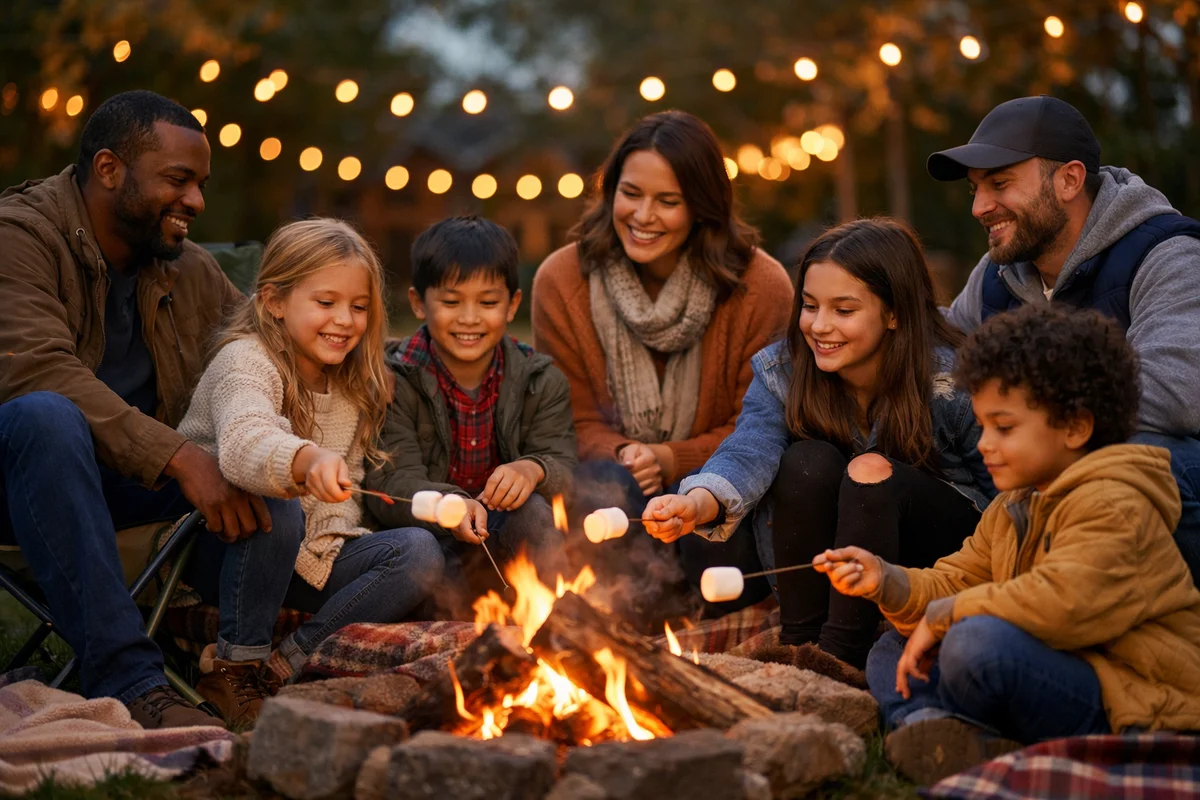
Blended family bonding does not usually happen through one big “family talk.” It grows through small, safe moments that feel natural and low-pressure. That is why campfire time can work so well. Whether you are outdoors, in the backyard, or creating a cozy indoor version, campfire-style evenings give stepfamilies a calm space to connect.
Warm light, shared snacks, simple games, and quiet conversation all help reduce pressure. Nobody has to perform, open up too fast, or pretend to feel close before they are ready. These blended family bonding activities are meant to help connection grow gently, especially for new stepfamilies, remarried parents, and homes with kids or teens. If you are looking for blended family campfire ideas that feel easy and real, this guide will help.
Quick Start Checklist (5 Minutes)
Set up the night so it feels calm, welcoming, and not forced:
- Keep it short. Forty-five to ninety minutes is enough.
- Put phones away or turn on “Do Not Disturb,” including for adults.
- Keep snacks simple: popcorn, hot chocolate, marshmallows, fruit.
- Give everyone a small role, like blanket helper, cup helper, stick holder, or snack setup.
- Use one clear rule: no teasing or inside jokes that leave someone out.
- End with the same simple closing ritual every time.
Safety Note
- Keep water or sand nearby.
- Make sure kids sit at a safe distance.
- No running near the fire.
- Use long roasting sticks.
- Supervise closely at all times.
If you cannot light a real fire, use a battery lantern, fairy lights, and blankets indoors. The same blended family bonding activities can still work beautifully.
Why Campfire Time Helps Blended Family Bonding
Kids in blended families can carry a lot inside. Some feel unsure, guarded, or torn between homes and parents. Others may want connection but not know how to show it. Campfire time helps because it creates a different kind of space.
- It is side-by-side, not face-to-face pressure.
- It builds a new shared memory without replacing old ones.
- It allows connection through doing, not just talking.
- It helps kids feel included without forcing emotional closeness.
- It gives everyone permission to simply be present.
The goal is not instant closeness. The goal is trust. When you are trying to bond with stepkids, respectful and repeated moments usually work better than emotional pressure.
Ground Rules That Prevent Hurt Feelings
These simple rules make blended family bonding activities feel safer for everyone:
No forced affection
Do not push hugs, labels, or emotional closeness. Let bonding happen at its own pace.
No comparing households
Avoid comments like, “We do it better here.” That can shut a child down quickly.
No public discipline at the fire
If something needs to be handled, step away and do it calmly.
One mic rule
Give everyone a fair chance to speak. If needed, use a talking stick or simple turn-taking system.
12 Blended Family Bonding Activities That Actually Work
As discussed in why play is essential for early childhood development, shared play builds trust, communication, and emotional safety, especially in new family dynamics.
1) Rose, Thorn, Bud
Each person shares:
- one good part of the week
- one hard part
- one thing they are looking forward to
Nobody has to answer all three. Even one answer is enough.
2) The Two-Minute Story
Each person finishes one easy sentence:
- “One time I laughed so hard when…”
- “A food I will never forget is…”
This keeps things personal without becoming too deep.
3) Compliment Cards
Write one short sentence:
- “I noticed you are good at…”
- “I like when you…”
Kids can give it to someone or keep it private.
4) Campfire Charades
Use easy topics like animals, school, movies, sports, or emojis. This is one of the easiest blended family bonding activities because it brings laughter without pressure.
5) Would You Rather
This works especially well for teens.
Examples:
- Would you rather live in a treehouse or on a boat?
- Would you rather have super speed or invisibility?
6) Marshmallow Mission
Everyone tries to make the perfect marshmallow: golden, warm, and not burnt. It sounds small, but it builds teamwork and fun.
7) Memory Map
Ask:
“What is one thing you want our family to be known for?”
Keep answers short. Do not debate or correct them.
8) Team Snack Build
Build simple snack combos together:
- biscuit + chocolate + banana
- popcorn + cinnamon sugar
This creates teamwork without emotional pressure.
9) Glow Stick Tag
If it is safe and outdoors, do a short ten-minute game after the fire. Movement helps kids release stress and awkwardness.
10) Teach Us Something
Each person teaches one tiny thing: a trick, a fun fact, a word, or a skill. Kids often feel valued when adults listen and learn from them.
11) New Tradition Vote
Let everyone vote on one easy tradition to repeat:
- Friday hot chocolate night
- Sunday walk
- one family game night each week
This is one of the best blended family bonding activities because repetition creates safety. One small tradition, done again and again, can matter more than one perfect night.
12) End-of-Night Photo Ritual
Take one quick photo at the end. No big pose, no pressure. Over time, it becomes a quiet record of connection growing.
Conversation Starters for Kids and Teens
For younger kids
- What is your favorite smell?
- If you had a pet dragon, what would you name it?
- What is one thing you wish adults understood?
- What makes you feel brave?
- What is a game you want us to learn?
For teens
- What has been taking up most of your brain lately?
- What is one thing school does not teach that it should?
- What is your perfect weekend?
- What is something you are proud of this month?
- What do you wish adults did less of?
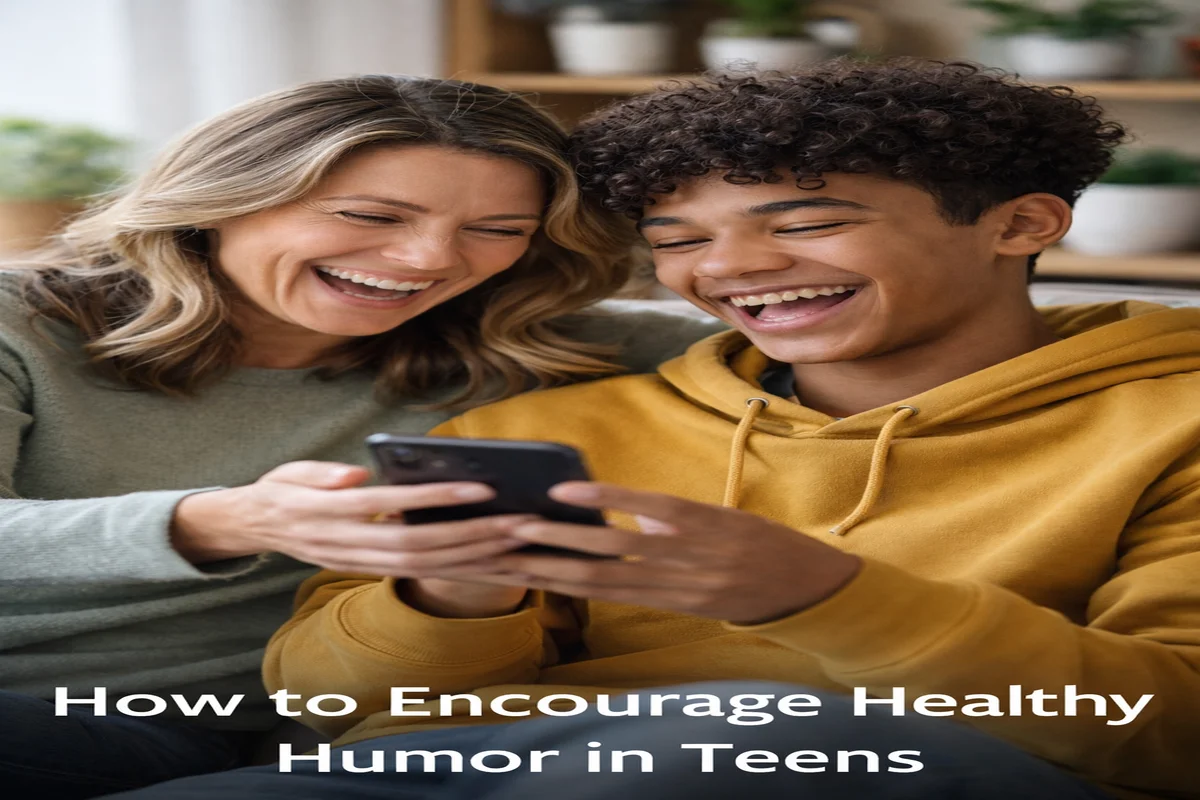
If a teen answers with one word, do not push. A calm response like, “Fair, thanks for answering,” keeps the space respectful. That kind of response helps build trust over time. As discussed in encouraging healthy humor in teens, playful and respectful humor can also reduce tension and help teens open up naturally.
Scripts That Help Without Pushing Too Hard
If a child seems distant
“Hey, you do not have to talk a lot. I am just glad you are here with us.”
If a child says, “You are not my real parent”
“You are right. I am not here to replace anyone. I am here to care about you and be respectful.”
If siblings start arguing
“Let’s pause. We can solve it after the fire. Right now we keep this space peaceful.”
If the other biological parent comes up
“We can love and respect more than one adult. Nobody is taking anyone’s place.”
Common Challenges and What Helps
If a child refuses to join
Let them stay nearby with a snack. Say, “You can just hang out if you want. No pressure.” Quiet presence still counts.
If step-siblings compete or tease
Pause the activity. Repeat the rule kindly: “We keep it kind here.” Then switch to a team-based game like snack building or charades.
If loyalty conflicts show up
If a child says they miss their other parent, validate it first:
“That makes sense.”
Do not get defensive. Keep the evening calm and steady.
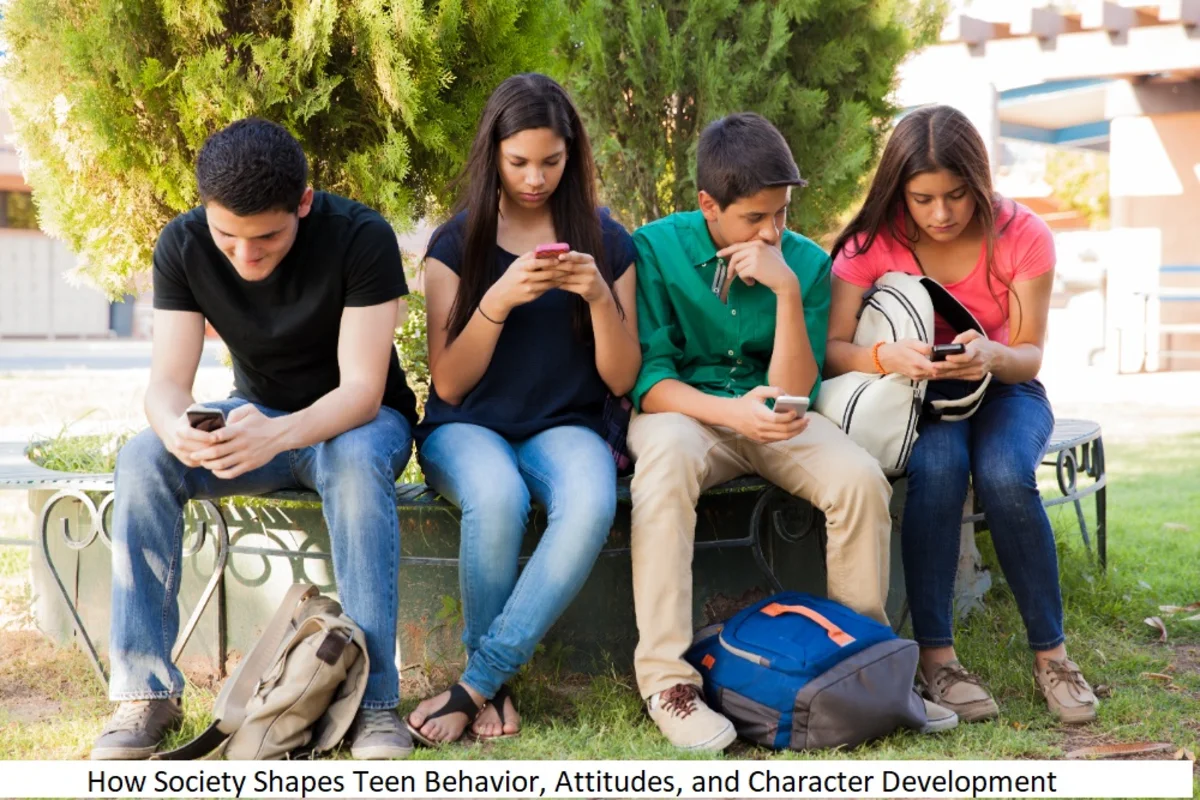
As discussed in how society shapes teen behavior and attitudes, teens are strongly influenced by social pressure, so blended family bonding works best when it feels respectful rather than forced.
What to Avoid
Even good family nights can go wrong if the pressure becomes too high. Try not to:
- turn the night into a therapy session
- ask heavy questions too early
- use campfire time as a reward that gets taken away often
- correct a child’s tone publicly in front of everyone
- expect equal feelings from everyone at the same speed
Blended family bonding is often uneven at first, and that is normal.
Backyard Campfire Setup Ideas
If you are not going full camping mode, you can still create the same feeling at home.
Try this setup:
- firepit or safe grill area
- blankets in a circle
- simple snacks and water nearby
- printed activity cards
- one familiar ending ritual
These backyard blended family campfire ideas can work just as well as a full camping trip because the real goal is comfort, rhythm, and shared time.
FAQs
Usually months, not days. Trust grows faster through repeated small moments than through big emotional talks.
That is completely normal. Let them join in through food, games, or quiet presence. Connection often starts with shared time, not words.
Teens often enjoy them when the night feels respectful. Good snacks, relaxed conversation, and no forced games make a big difference.
Stay neutral. You can say:
“Different homes do things differently. Here we will do what helps us feel safe and respected.”
Choose something easy and repeatable, like hot chocolate night, a weekly walk, or one game night each week. Repetition builds security.
Yes. A backyard, balcony setup without fire, or an indoor lantern night with blankets can create the same feeling.
Final Thoughts
Blended family bonding grows through small, safe moments repeated over time. A campfire night does not have to be perfect to matter. What matters most is that it feels calm, respectful, and easy to return to again.
Start with one simple evening. Keep it gentle. Let trust build at its own pace. These small blended family bonding activities may seem simple, but over time, they can help stepfamilies feel more connected, more comfortable, and more like home.