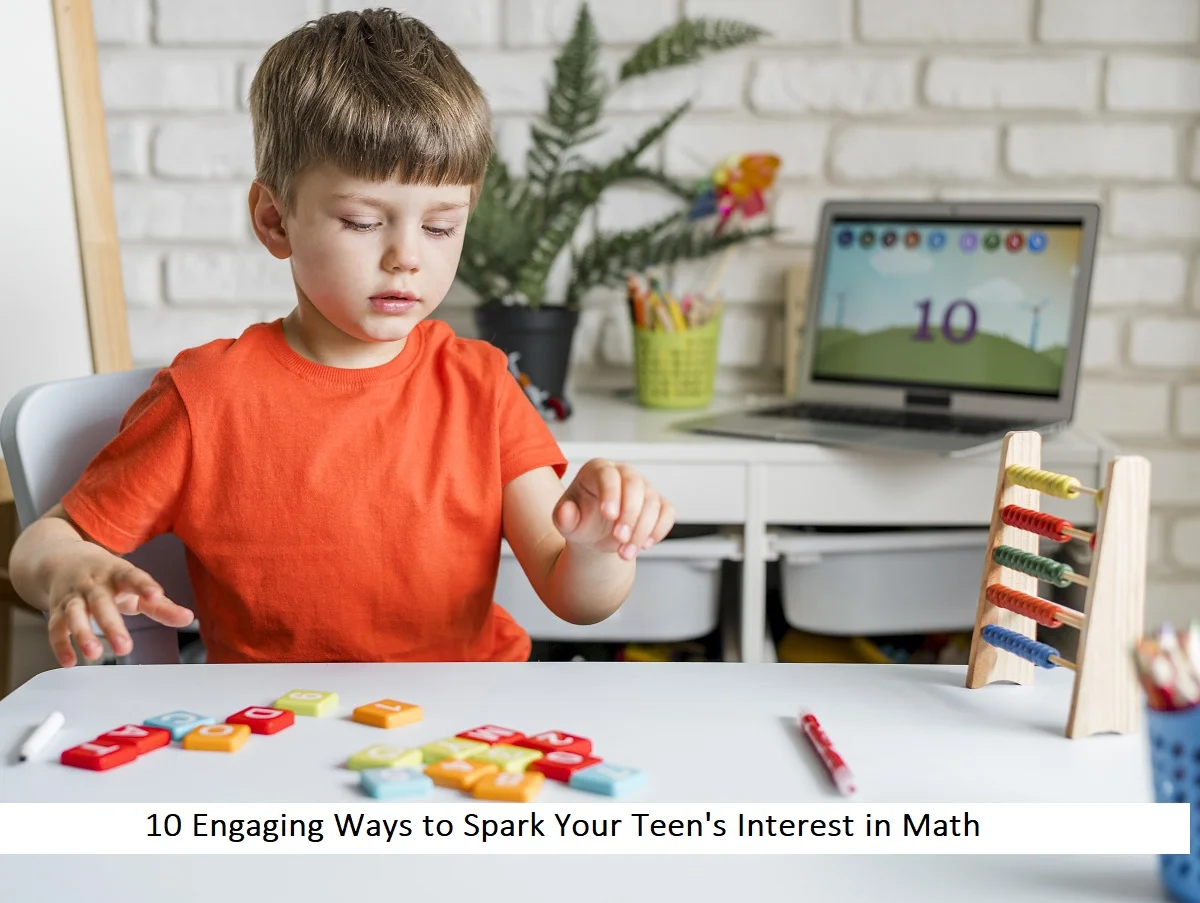
A safe and stimulating home environment helps young kids explore, learn, and feel secure without you needing to say “no” every minute. You don’t need a perfect house or expensive toys. Start small, make the biggest safety fixes first, and build a simple setup that supports play, calm, and independence.
Quick Checklist (Start Here)
- Anchor heavy furniture and TVs
- Lock medicines, cleaners, and sharp tools
- Cover outlets and manage loose cords
- Remove choking hazards from reach
- Create one safe play zone (soft + visible)
- Rotate toys instead of keeping everything out
- Add a calm corner for big feelings
- Keep one daily screen-free block
- Update the setup every few months
1) Safety Comes First (Childproofing Checklist)
Safety is the base of everything. Before adding “stimulating” activities, reduce the risks that cause the most serious accidents at home.
Childproofing checklist:
- Furniture tip-over: Anchor dressers, bookshelves, and TV stands to the wall.
- Choking hazards: Keep small items (coins, beads, balloons, tiny toy parts) out of reach.
- Poisoning risks: Lock medicines, cleaning supplies, detergents, and vitamins in a high cabinet.
- Burns & cuts: Turn pot handles inward, use stove knob covers, and store knives up high.
- Falls: Use safety gates for stairs, secure windows, and keep chairs away from balconies/windows.
- Cords: Tie up blind cords and keep charging cables out of reach.
- Water safety: Never leave buckets/tubs with water unattended even small amounts matter.
If you feel overwhelmed, pick one room today (usually the living room) and do the biggest safety fixes first.
2) Create a Safe Play Area for Toddlers (Your Main “Yes Space”)
A “yes space” is a small area where most things are safe to touch. This reduces constant correction and helps kids play longer.
Simple setup:
- Soft mat or rug
- Low shelf or bins
- A few open-ended toys
- Books within reach
- Clear floor space for movement
This is the heart of a toddler-friendly home setup simple, visible, and easy to supervise.
3) Encourage Play-Based Learning (Without Overloading)
Play builds thinking, language, and social skills especially when it’s not too crowded.
Keep it easy:
- Choose age appropriate toys (bigger pieces, fewer parts for younger kids)
- Mix: building blocks, pretend play, puzzles, drawing
- Keep “special” toys for short supervised time if needed
Try Toy Rotation for Toddlers
Instead of leaving everything out, keep only 6–10 items available and store the rest. Rotate weekly. Kids play better when there’s less clutter. As discussed in The Role of Play in Early Childhood Development, simple play activities build language, problem-solving, and emotional skills in young kids.
4) Add Sensory Play Ideas at Home (Low Mess, Big Learning)
Sensory play is excellent for curiosity and calm no fancy tools needed.
Easy sensory play ideas at home:
- Water play in a tray (with towel under)
- Dry rice/pasta in a container (supervised)
- Playdough and safe cutters
- Texture basket: cotton, sponge, soft brush
- “Nature tray” with leaves, stones (big enough not to swallow)
Keep sensory items in a box and bring them out when you need a focused activity.
5) Design for Exploration and Independence (Montessori at Home Setup)
Young kids feel confident when they can do small things themselves.
Montessori at home setup tips:
- Use child-sized furniture where possible
- Place toys/books on low shelves
- Use open bins (not deep boxes)
- Add simple labels (picture + word)
When kids can reach and return items, they learn responsibility naturally without long lectures.
6) Incorporate Nature (Inside + Outside)
Nature supports movement, attention, and sensory development.
Easy ways to bring nature in:
- A small plant (out of reach if your child grabs)
- Wooden toys or baskets
- Natural light where possible
- Outdoor time daily, even 10–20 minutes
Outside, add simple options: chalk, bubbles, sand, water play, or climbing at a safe park.
7) Build a Calm Corner for Kids (Emotional Safety)
A stimulating environment isn’t only about learning it’s also about feelings.
Create a calm corner:
- Cushions + soft blanket
- A few calming books
- A sensory bottle or soft toy
- A simple rule: “This is for resting, not punishment.”
This helps children regulate emotions and feel secure especially after loud play or a busy day. For more calm routines that reduce meltdowns at home, read Parenting Ages 2–6: Tantrums, Bedtime Delays, Picky Eating, and “No!” All Day for practical scripts and routines.
8) Promote Social Interaction (At Home and Beyond)
Social skills grow through small, real experiences not forced sharing.
Try this:
- Short playdates (30–60 minutes)
- Cooperative games (building together, pretend cooking)
- Role-play scripts: “Can I have a turn?” “Let’s do it together.”
Praise effort: “You waited,” “You used kind words,” “You tried again.”
9) Integrate Educational Opportunities (Naturally)
You don’t need a classroom wall. Everyday moments teach more.
Simple learning setups:
- A reading nook for kids (basket + books + lamp)
- Art supplies in one box (crayons, paper, stickers)
- Puzzles and blocks nearby
- Count steps, sort socks, name colors while cooking
If you’re wondering why early learning matters so much, Benefits of Early Childhood Education: 10 Reasons It Matters explains how these small daily habits support long-term growth.
10) Limit Screen Time (More Connection, Less Conflict)
Screens can be useful, but too much can reduce active play and make transitions harder.
Better approach:
- Set one screen free activities block daily (after school or before bed)
- Keep screens out of bedrooms if possible
- Use screens intentionally (one show, then done)
Replace with “easy wins”: coloring, blocks, storytime, dancing, simple chores. For a parent-friendly routine that supports more connection and less device dependency, Mom Resolutions 2026 includes simple habits that fit busy families.
11) Adapt as Your Child Grows (Update Every 2–3 Months)
Kids change fast. What was safe at 18 months may not be safe at 2.5 years.
Quick updates:
- Remove baby toys when your child wants harder challenges
- Add puzzles, pretend play, and art
- Move breakables higher as climbing increases
- Adjust sleep setup when needed
Holistic Impact of a Safe and Stimulating Home Environment
When your home is both safe and engaging, kids don’t just “behave better” they develop better.
- Cognitive growth: More focused play, problem-solving, and language
- Emotional security: A calm base for confidence and resilience
- Physical development: Climbing, building, fine-motor activities
- Social growth: Better sharing, turn-taking, and communication
Final Thoughts
Creating a safe and stimulating home environment is not about perfection. It’s about making daily life easier and safer while giving your child space to grow. Start with safety. Build one “yes space.” Keep toys simple. Add a calm corner. Then adjust as your child changes. For more practical parenting and childcare guides, visit BestChildcareTips.com to explore topics by age and situation.