Cyberbullying is one of the biggest online risks for children and teenagers today. This cyberbullying prevention for parents guide will help you spot warning signs early, protect your child online, and know exactly what to do if cyberbullying starts. You don’t need to panic or control every screen your goal is safety, trust, and clear action.
Quick Action Checklist (Save This)
- Ask calmly what happened and where it happened
- Screenshot everything (messages, usernames, dates, links)
- Block and report the account
- Don’t reply to the bully (or encourage your child to “clap back”)
- Tell the school if classmates are involved
- Adjust privacy settings and remove unknown followers
- Watch mental health signs (sleep, mood, appetite, isolation)
- If there are threats/blackmail, contact local authorities immediately
- Keep checking in daily, not just once
1) What Is Cyberbullying?
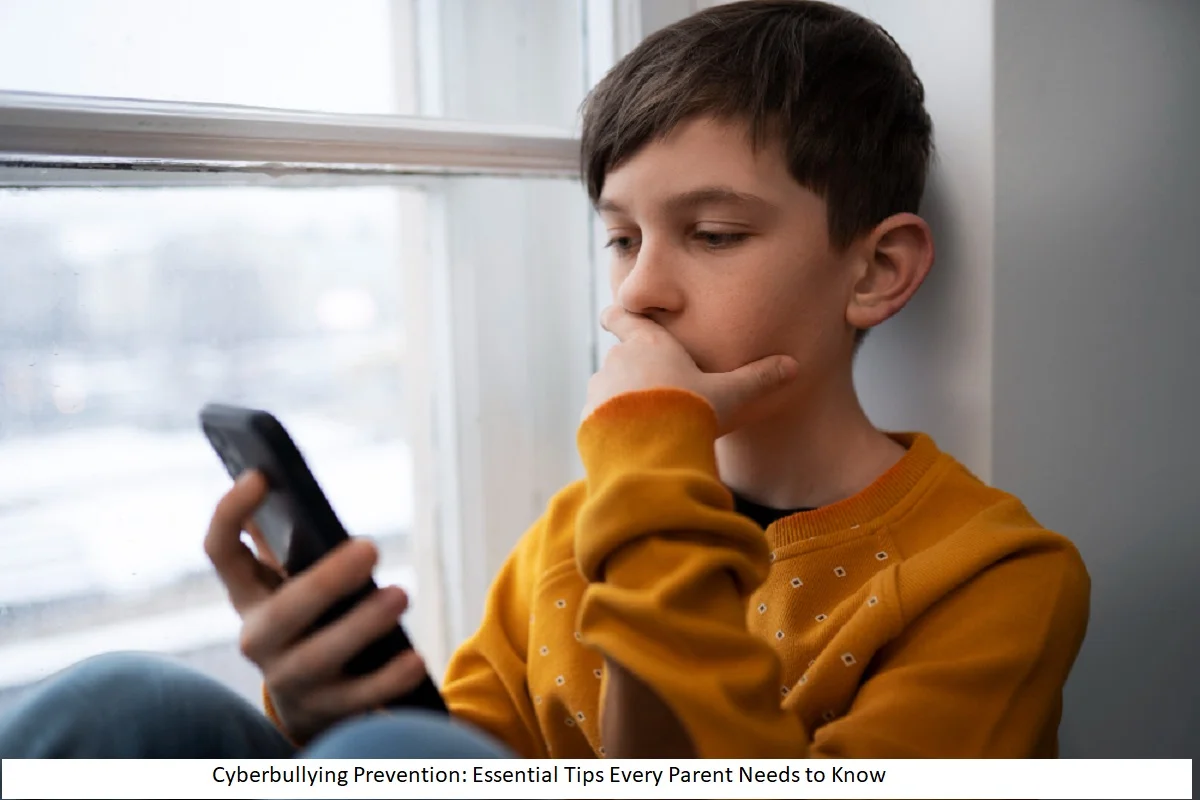
Cyberbullying is when someone uses digital platforms to threaten, shame, harass, or embarrass another person. It can happen through group chats, social media comments, gaming messages, fake accounts, or private DMs.
Unlike offline bullying, it can feel nonstop. Kids can get targeted at home, at night, or even when they stop going to school. That “always-on” pressure is why many parents search for how to stop cyberbullying quickly because the harm can build fast.
2) Why Cyberbullying Hurts So Much
It spreads fast and feels permanent
Screenshots, reposts, and group chats can make one cruel moment feel like it will never end. Even if content is deleted, kids may still fear it was saved or shared.
It affects mental health
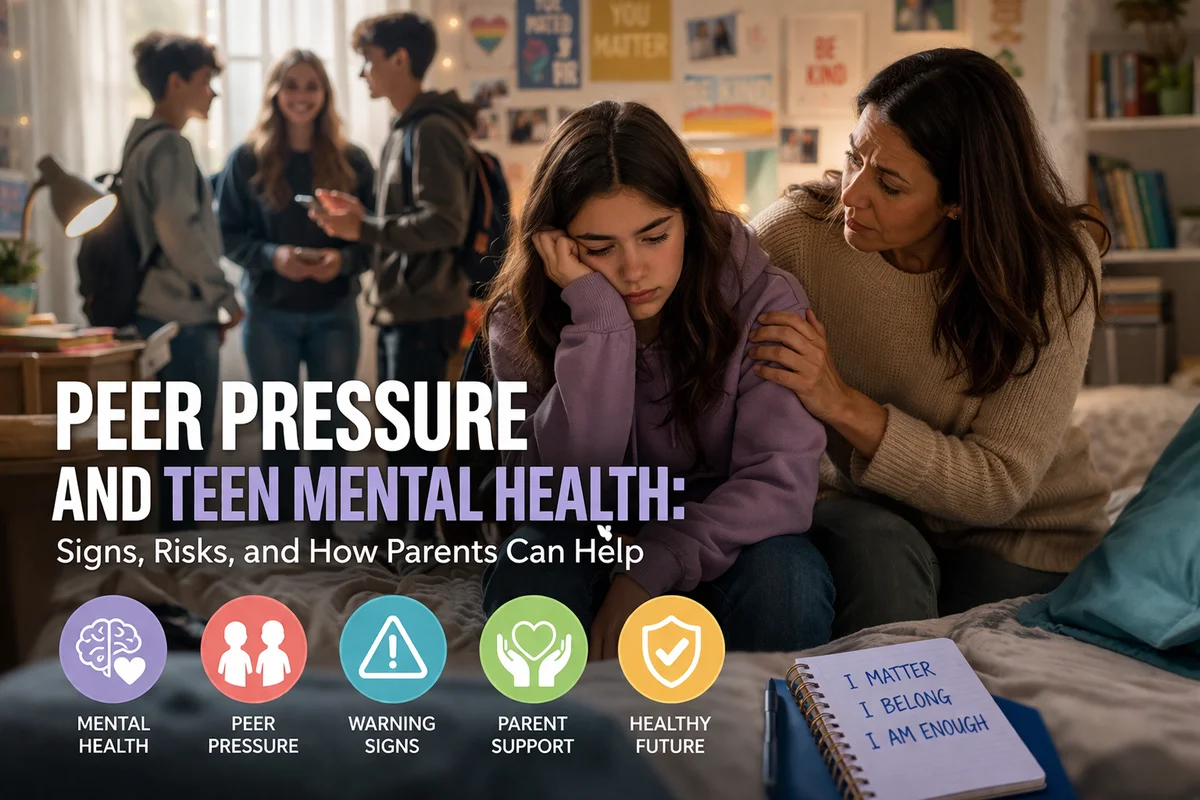
Cyberbullying can raise stress, anxiety, and sadness. Many kids withdraw, lose confidence, and stop enjoying things they used to love. This is why emotional support matters as much as reporting the bully.
The bully may be anonymous
Anonymous accounts can create a power imbalance. Your child may feel trapped because they don’t know who is doing it or why.
Shame keeps kids silent
Many children and teens don’t talk because they fear losing their phone, getting blamed, or making it worse. Your reaction decides whether they come to you again.
As discussed in the long-term effects of cyberbullying on mental health, ongoing online harassment can affect self-esteem, sleep, and long-term emotional well-being.
3) Signs of Cyberbullying in Kids and Teens
Here are common signs of cyberbullying that parents often notice first:
- Sudden fear or avoidance of the phone/laptop
- Mood changes after going online (anger, tears, panic, irritability)
- Sleep problems, headaches, stomach aches
- Dropping grades or refusing school
- Being secretive or defensive about apps
- Social withdrawal, avoiding friends, quitting activities
- Deleting accounts or making new ones suddenly
If you notice two or more signs together, treat it seriously but start calm. As discussed in how to recognize cyberbullying early and stop it, early warning signs often show up as mood changes, avoidance of devices, and social withdrawal.
4) What to Do First If Your Child Is Cyberbullied (Step-by-Step)
This is the part most parents need in real life: what to do if your child is cyberbullied.
Step 1: Stay calm and make it safe to talk
Say something like:
“I’m really glad you told me. You’re not in trouble. We’ll handle this together.”
Step 2: Collect evidence before anything disappears
Save:
- screenshots of messages/comments
- usernames and profile links
- group chat names
- dates and times
- any threats or blackmail messages
Evidence matters for schools and for reports.
Step 3: Block + report (don’t engage)
Help your child block the account and report cyberbullying using the platform’s report tools. Don’t reply to the bully. Replies often escalate things and give the bully attention.
Step 4: Check if school is involved
If classmates are involved or it affects attendance, learning, or safety inform the school with evidence. Ask what actions they can take and how they’ll protect your child.
Step 5: Escalate fast if it’s severe
If there are threats of violence, sexual content, extortion, or blackmail: treat it as urgent. Save everything and contact local authorities or a trusted legal resource.
5) Cyberbullying Prevention: Digital Parenting Tips That Actually Work
Strong prevention is not spying. It’s building smart habits and safer settings.
Keep communication open (without lectures)
Have short, regular check-ins:
“What’s the nicest thing you saw online today?”
“Anything weird or uncomfortable happen?”
Kids talk more when they don’t feel interrogated.
Set clear rules that fit age
For younger kids:
- private accounts only
- no public posting
- no chatting with strangers
For teens:
- privacy settings on
- location sharing off
- no sharing passwords (even with friends)
- “If it feels off, screenshot and tell me.”
This supports online safety for teens without making them feel controlled.
Use privacy settings like a safety belt
Do a monthly “privacy check” together:
- remove unknown followers
- limit who can DM/comment
- review blocked list
- turn off tagging without approval
Teach the “pause rule”
If upset, do not respond. Save evidence, close the app, and take a break. This reduces impulsive replies that the bully can twist.
Build offline confidence
Kids who feel strong offline handle online cruelty better. Encourage sports, hobbies, clubs, volunteering, and real friendships.
6) When to Involve the School (and How)
Schools can help when:
- the bully is a student
- it affects schoolwork or attendance
- it causes fear, conflict, or safety issues
What to send:
- a short summary
- screenshots + usernames
- what you want (investigation, monitoring, seating changes, safety plan)
Ask for follow up in writing so you can track progress. As discussed in cyberbullying in schools: prevention and intervention strategies, schools can support investigations, student safety plans, and reporting when classmates are involved.
7) How to Support Your Child Emotionally
Cyberbullying isn’t only a “tech problem.” It hits identity, confidence, and belonging.
What helps most:
- Validate feelings: “That’s hurtful. Anyone would feel upset.”
- Remind them it’s not their fault
- Keep daily routines steady (sleep, meals, movement)
- Reduce isolation (safe friends, family time)
- Consider counseling if anxiety, panic, or sadness continues
If your child mentions self-harm or you sense danger, treat it as urgent and seek professional help immediately.
8) If Your Child Bullied Someone Online
This is hard but it’s fixable. Focus on responsibility, not shame.
- Ask what happened and why
- Set clear consequences
- Require apology and repair (when safe and appropriate)
- Teach empathy: “How would that feel to you?”
- Monitor behavior and reduce risky app access for a period
- Get support if anger, insecurity, or peer pressure is driving it
9) Cyberbullying on Social Media and Gaming: Special Notes
Gaming chats often include trash talk that crosses the line. Teach kids:
- mute/block fast
- avoid private voice chats with strangers
- leave toxic servers/groups
For social media:
- tighten comment settings
- approve tags/mentions
- limit story viewers
- remove unknown followers quickly
These small steps help keep kids safe online without banning the internet.
FAQs
Use privacy settings, teach safe online habits, keep communication open, and do quick check-ins so your child reports problems early.
Usually no kids may hide the problem next time. Instead, adjust settings, monitor appropriately, and build safety rules together.
Screenshots, profile links, usernames, group chat names, dates/times, and any threats or blackmail messages.
When classmates are involved or it affects learning, attendance, or safety. Share evidence and ask for a clear action plan.
Threats of violence, extortion/blackmail, sexual content, stalking, or repeated harassment after reporting.
Final Thoughts
Cyberbullying can feel scary because it’s public, fast, and personal. But with the right steps, it can be stopped. This cyberbullying prevention for parents guide is meant to help you act quickly, support your child emotionally, and build safer online habits over time. Stay calm, save evidence, report, and keep your child close they don’t need perfect parents, they need steady ones. If you’re supporting a child after a serious incident, the long-term effects of cyberbullying on mental health explains what recovery can look like and when extra help may be needed.